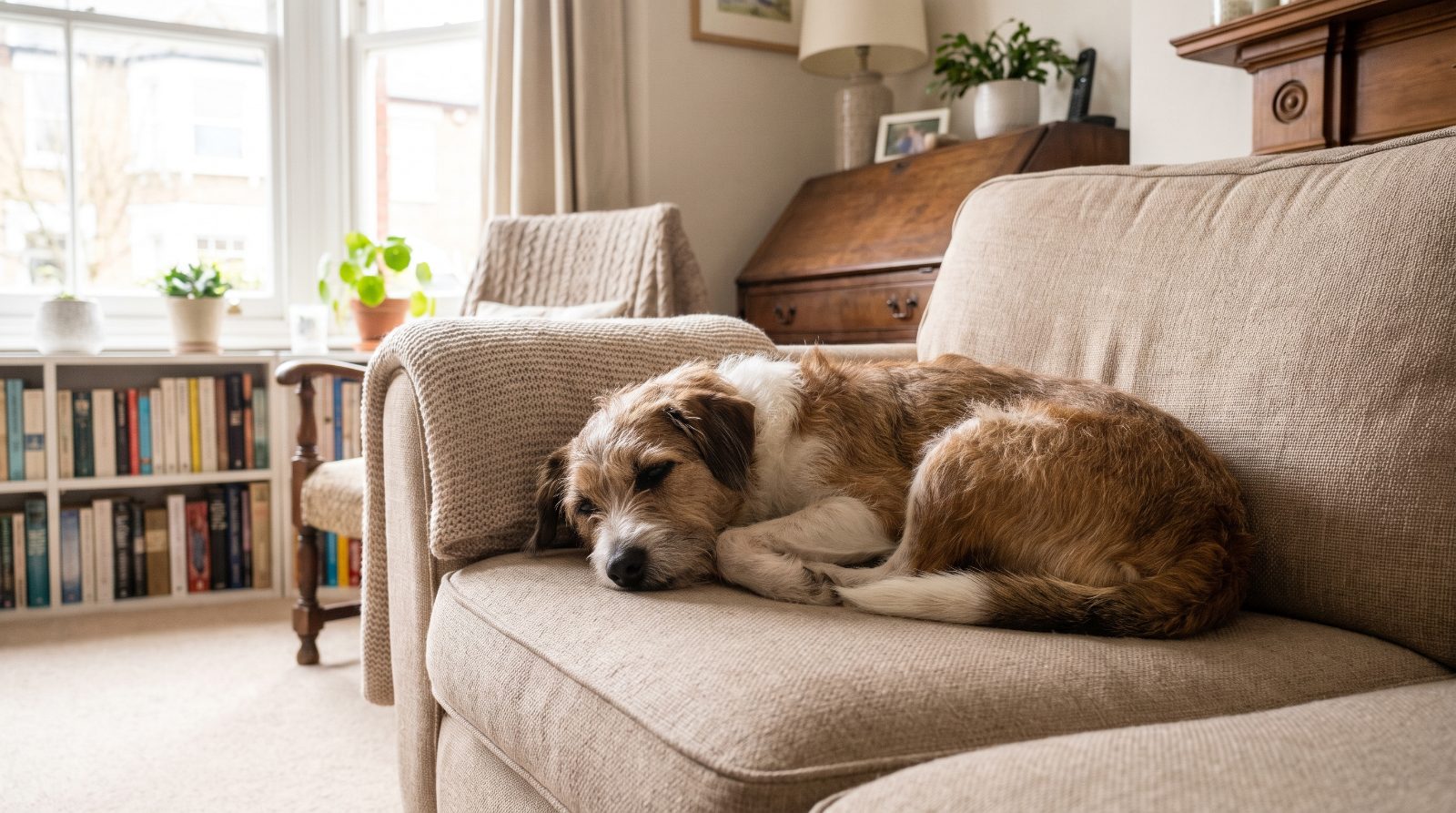
Since 1 May 2026, tenants have held a considerably stronger right to request permission to keep a pet in a rental property, and landlords face real constraints on refusing — though the exact boundary of what counts as a reasonable refusal remains one of the less precisely defined areas of the new legislation, which is a significant part of why it causes ongoing confusion.
The core right. Tenants can request permission to keep a pet, and a landlord cannot unreasonably refuse that request. The legislation doesn’t provide an exhaustive list of what counts as reasonable or unreasonable — instead it establishes a general standard that will, in practice, continue to be shaped by how individual cases and disputes are actually resolved over time.
What a landlord retains the right to do. Ask reasonable, relevant questions about the specific pet being requested — the type, size, and any relevant behavioural history, for instance. Require the tenant to hold pet insurance covering potential damage to the property as a condition of granting consent — this is explicitly permitted under the legislation as a way for landlords to manage the genuine risk pets can pose to a property, without amounting to an unreasonable blanket refusal. And refuse where there’s a genuine, specific, defensible reason — a superior lease (in the case of a leasehold property) that itself prohibits pets, for instance, or a property that’s genuinely unsuitable for the specific pet being requested.
What’s now much harder to defend. A blanket “no pets” policy applied without any consideration of the specific request being made is increasingly difficult to justify as reasonable under the new standard. Similarly, failing to respond to a pet request within the required response window, or refusing without providing any stated reason at all, leaves a landlord in a weaker position if the refusal is ever challenged.
Why getting ahead of this matters. Landlords who decide on a sensible, consistent pet policy in advance — rather than making an ad hoc decision each time a request arises — tend to navigate this considerably more smoothly than those improvising a response under time pressure each time the question comes up. A pre-decided policy also helps demonstrate the kind of consistent, considered approach that’s more likely to be viewed as reasonable if a specific refusal is ever challenged.
A practical starting point for developing a policy. Decide in advance what pet insurance requirement will apply, what types or sizes of pet the property is realistically suitable for, and what the response process and timeline will look like when a request comes in — then apply that policy consistently across requests, rather than deciding case by case in the moment.
General information, not legal advice. Property Lounge, Guildford.
Need a second opinion?
We’re Property Lounge, an ARLA Propertymark accredited lettings agency in Guildford. If anything above raised a question about your own property, we’re happy to talk it through — whether or not you’re a client, and whether or not you ever become one. No charge, no obligation, and we won’t chase you afterwards.
You can see how our fully managed lettings service works, what it costs, or book a free rental valuation.
Call 01483 369209 or email lettings@propertylounge.co.uk.