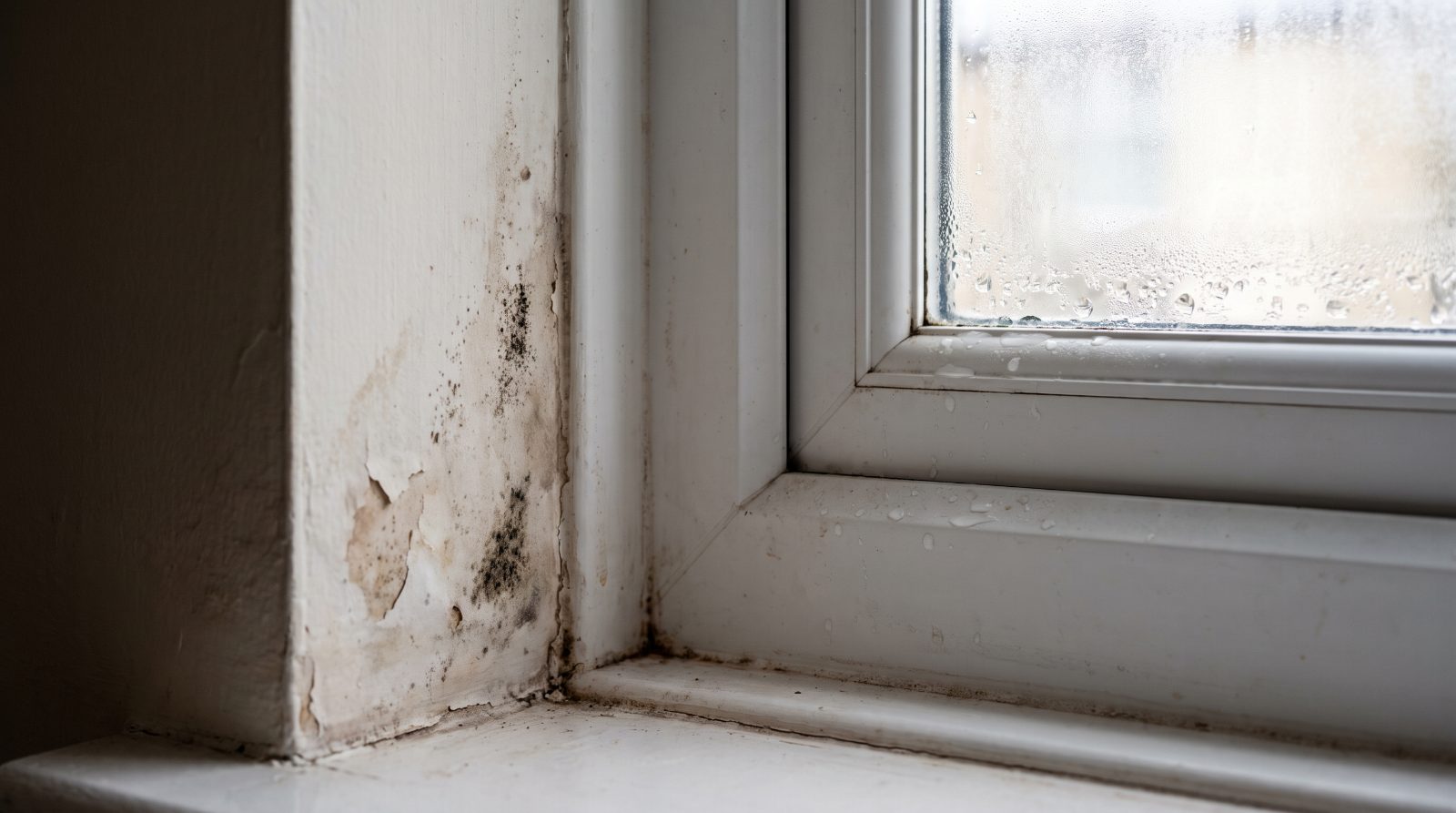
Awaab’s Law came out of the death of Awaab Ishak, a two-year-old who died following prolonged exposure to mould in a social housing flat in Rochdale. Since October 2025 it has applied to social landlords, imposing legally binding timeframes for investigating and fixing damp, mould and other serious hazards.
Extension to the private rented sector is widely expected as part of the later phases of Renters’ Rights Act implementation. There is currently no confirmed date. Anyone telling you otherwise is guessing.
What it looks like in the social sector
The framework works on strict clocks. Emergency hazards — anything posing an imminent risk to health or safety — must be investigated within 24 hours. Less urgent but still significant hazards carry their own investigation deadlines, a requirement to give the tenant a written summary of findings, and a defined window to begin remedial work.
The details matter, and they may not transfer to the private sector unchanged. What almost certainly will transfer is the underlying principle: once a tenant reports a hazard, a clock starts, and “we’ll get to it” stops being a defence.
Why preparing now is not premature
Three reasons, none of which depend on knowing the commencement date.
The clock starts at the report, not the repair. Whatever the final timeframes, they will run from the moment a tenant tells you. If you do not have a reliable way of capturing when a report came in, what you did, and when — you cannot demonstrate compliance regardless of how quickly you actually acted. The record is the compliance.
Damp and mould are usually building problems, not tenant problems. The reflex in parts of this industry has been to attribute mould to tenant behaviour — drying washing indoors, not opening windows. Sometimes that is a factor. Frequently the underlying cause is inadequate ventilation, failed extraction, cold bridging or penetrating damp, and treating it as a lifestyle issue means the same complaint returns every winter until it becomes something far more serious and far more expensive.
Contractor availability is the real constraint. A 24-hour investigation window is achievable if you already have someone who answers the phone. It is not achievable if you start looking for a damp specialist on the day the clock starts. In a market like Guildford, where the same trades are in demand across a lot of stock, that relationship needs to exist beforehand.
What to do this autumn
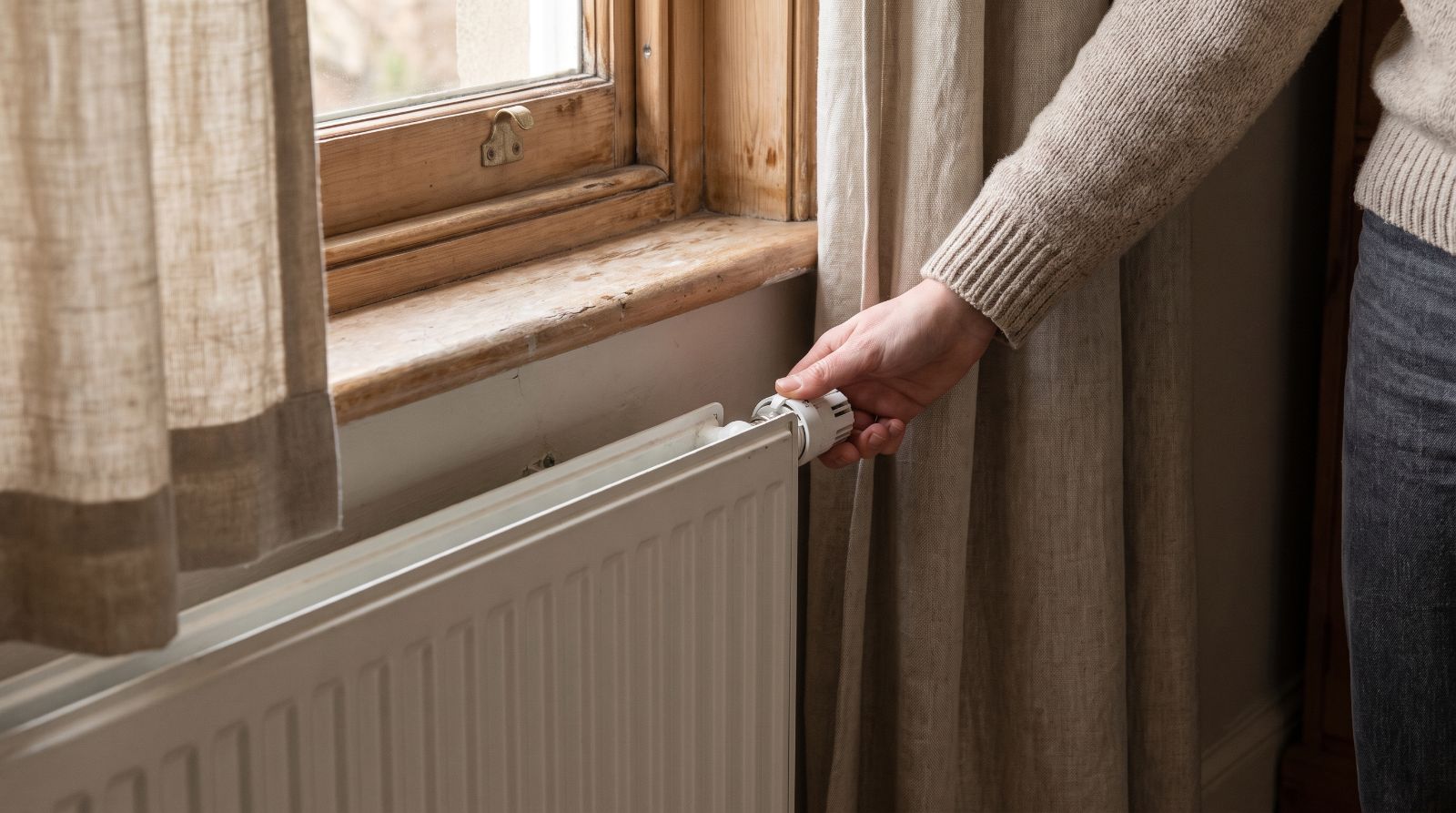
Before the heating goes on — which is when damp complaints reliably arrive — walk your properties. Check extraction actually works in kitchens and bathrooms rather than just existing. Look at the cold external walls behind furniture. Note anything at the early staining stage, and deal with it while it is cheap.
Then sort your reporting process, so that when a tenant does report something, there is a dated record of it from the first message.
Neither of those requires a commencement date to be worth doing.
No implementation date for private rentals has been confirmed. General information, not legal advice.
Need a second opinion?
We’re Property Lounge, an ARLA Propertymark accredited lettings agency in Guildford. If anything above raised a question about your own property, we’re happy to talk it through — whether or not you’re a client, and whether or not you ever become one. No charge, no obligation, and we won’t chase you afterwards.
You can see how our fully managed lettings service works, what it costs, or book a free rental valuation.
Call 01483 369209 or email lettings@propertylounge.co.uk.